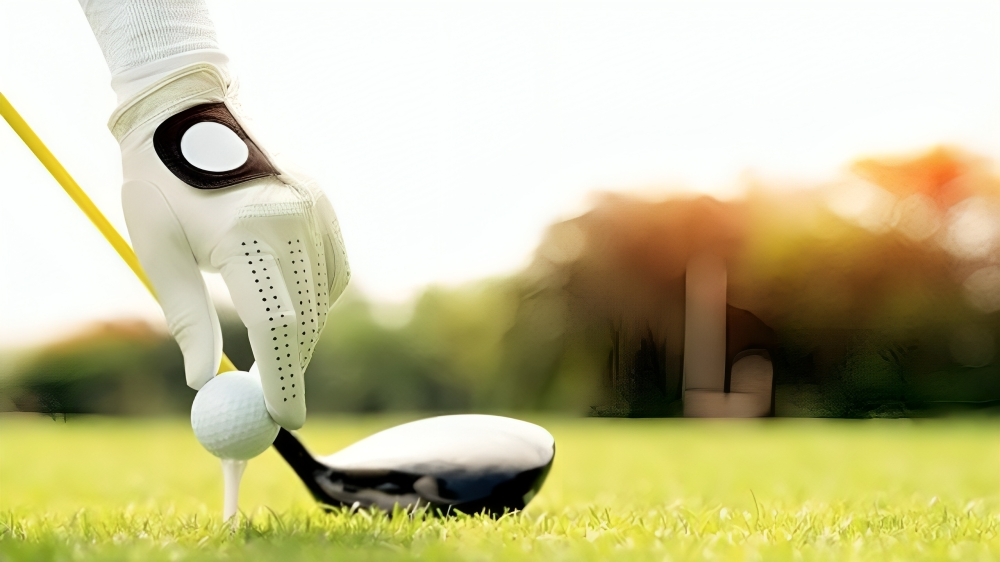
A proper technique of how to hold a golf club can change the entire manner of playing golf. Your grip is the only bond that your body has on the club and, as a result, directly relates to swing speed, control, accuracy, and consistency. The finest swing robots do not work when the grip no longer makes sense. Hence, all the novice and professional golfers should learn the basics of grip before pursuing range or skill.
There are numerous types of golf styles and players have played golf using various grips over time. Nevertheless, any good foundation is always based on having a grip that is natural, athletic and repeatable.
This is a guide on how to hold the club in steps, with easy explanations and tips. As you will see, you will be able to hold any club with confidence and intention.
Beginner Guide: How to Hold a Golf Club
Posture should begin with the club. Stand and take your normal golf position and allow your arms to hang. Feel how your hands fit stress free. Such a natural position demonstrates the way your wrists desire to operate. And now put the club in your hands rather than squeeze your hands on the club.
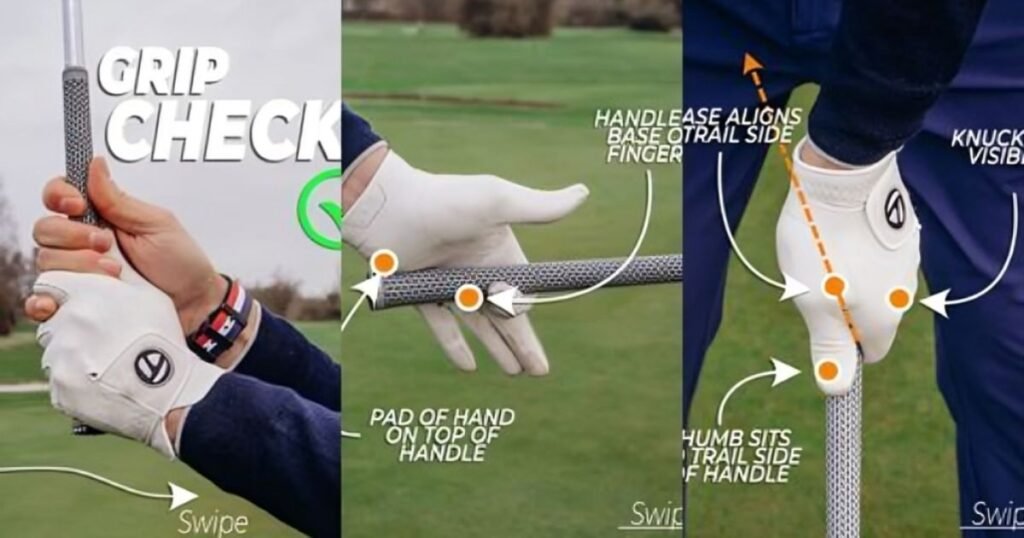
- Finger Grip Preference: Holding the golf club with the fingers rather than the palms provides better control and flexibility.
- Improved Wrist Movement: A finger grip allows free wrist motion, which helps generate more speed and accuracy.
- Lead Hand Position: When placing the lead hand on the club, slightly bend it while looking down.
- Knuckle Visibility: You should be able to see two or three knuckles on the lead hand for a proper grip.
- Enhanced Power: This grip position supports stronger shots without extra effort.
- Reduced Tension: Proper hand placement keeps the grip relaxed, promoting smoother and more controlled swings.
Do not sit down on the shaft of your thumb, but slant it a little to the right. Simultaneously, you should not have the locked feeling of your wrist. This sports stance resembles a bat, suit case handle or a steering wheel. Your swing is automatic because your body knows that you are moving.
Step-by-Step Method: How to Hold a Golf Club Correctly
To master the way one can grip a golf club, then take time to follow step by step instead of rushing.
| Step | Description |
| Lead Hand Club Position | Position the club at a right angle between the fingers of your lead hand. |
| Grip Placement | The grip should sit between the palm pad and the pinky finger, not deep in the palm. |
| Wrist Comfort | This hand position reduces wrist stiffness and allows natural movement. |
| Grip Pressure | Squeeze the club using the fingers with a firm yet relaxed and natural pressure. |
| Trail Hand Alignment | Place the trail hand with the palm facing the target line while holding the club. |
| Finger-Based Hold | Rest the grip in the fingers of the trail hand rather than the palm. |
| Trail Thumb Position | Keep the trail thumb slightly down the shaft for better control. |
| Thumb Connection | Position the lead thumb under the pad of the trail hand for stability. |
| Index Finger Trigger | Use the trail hand’s index finger as a light trigger to enhance control and feel. |
And lastly, touch each hand with a light touch. They must not be two grips, but one. This bond creates uniformity and enhances impact-based clubface control.
Grip Styles Explained: How to Hold a Golf Club
There are different styles of grips and by knowing them, you can find which you prefer. In a question of learning to hold a golf club, most golfers select one of three types of hand connections.
1. Interlocking Grip:
- Connects the trail hand pinky with the lead hand index finger.
- Preferred by golfers with smaller hands.
- Creates a unified and connected feel between both hands.
2. Overlapping Grip:
- The trail hand pinky rests over the fingers of the lead hand.
- Provides comfort and stability during the swing.
- Best suited for players with larger hands.
3. Ten-Finger (Baseball) Grip:
- All ten fingers stay on the club without interlocking or overlapping.
- Ideal for beginners and players with weaker grip strength.
- Helps generate power more easily.
4. Neutral Grip Orientation:
- Hand creases point toward the right eye (for right-handed players).
- Promotes balanced control and consistency.
5. Strong Grip Orientation:
- Hands rotate slightly away from the target.
- Enhances power and helps control the clubface.
6. Weak (Loose) Grip Orientation:
- Hands turn more toward the target.
- Requires refined wrist action for effective control.
Common Mistakes in How to Hold a Golf Club
A lot of golfers cannot shoot because they have a problem with their swings but they have a problem with their grip. When they are practicing how to hold a golf club, they should not squeeze it tight. Too much tension limits the movement of the wrist as well as decreases the speed of the swing. Rather, keep pressure under control, most particularly in the fingers.
One more mistake is excessive holding of the club in the palms. This grip restricts the hinge and usually results in slices or trashy shots. Separating your hands is to be avoided too. The drift in the hands means the loss of control and loss of timing.
Lastly, do not keep on shifting your grip. Confidence is gained through consistency. After you have found a comfortable position, practice and play with it.
Golf Grip Pressure and Control
The amount of pressure on the grip varies according to the shot. As the clubs get longer, such as the driver, there is also a bit more pressure to ensure control at high speed. On short shots, the pressure is reduced to enhance feel. Never should pressure, however, come to the utmost force.
Imagine that you are holding a tube of toothpaste but you are not pressing it. Such a degree of pressure can be controlled without strain. Even pressure produces easier tempo and striking of balls.
Golf Grip Types and Best Use
| Grip Type | Best For | Key Benefit |
| Interlocking | Small hands | Strong hand connection |
| Overlapping | Large hands | Relaxed control |
| Ten-Finger | Beginners | Easy power |
| Neutral | Most players | Balanced control |
| Strong | Power hitters | Clubface stability |
| Weak | Skilled players | Shot shaping |
Fixing Slice and Hook Through Grip
Slices are combated by many golfers due to the fact that their grip remains too weak. In case the clubface is open, the ball curves to the right. A little assistance to the grip helps to square the face in itself. Besides, maintaining the grip in the fingers enhances release.
Hooks are usually the result of an excessively firm grip with the hands going too far around the club. Facilitation of the adjustment towards neutrality decreases face closure. Minor adjustments at the grip make significant outcomes.
Should Grip Change by Club Type?
When making full swings, you need to maintain the same grip with wedges, irons and woods. Nevertheless, sometimes short game shots have a weaker grip on the face to open. The grips that are put on are entirely different and rely on the comfort and alignment.
However, the differences notwithstanding, the full-swing principles do not change after mastering the fundamentals.
Practice Drill to Improve Grip
A good exercise is to strike short shots with your trail hand only. This practice puts the fingers in the right position, and the tension issues will be identified immediately. It trains the right-hand position because it is hard to use a poor grip.
Train gradually and work on contact and not distance.
Why Grip Matters More Than You Think
A proper grip stabilizes the clubface, improves wrist hinge, and increases swing efficiency. When you understand how to hold a golf club correctly, you reduce unnecessary movement and gain reliable ball flight. Furthermore, your body experiences less strain because the wrists move naturally instead of fighting poor positions.
Final Summary
Mastering how to hold a golf club creates a foundation for every successful swing. While many grip styles exist, the best grip feels athletic, relaxed, and repeatable. Finger placement, hand connection, and balanced pressure work together to create speed and control.
Once you commit to a consistent grip, your swing improves faster, your ball striking becomes cleaner, and your confidence grows. Focus on grip fundamentals first, and everything else in golf starts to fall into place.
Also Read About: What Does LIV Golf Stand For Why It Changed Professional Golf