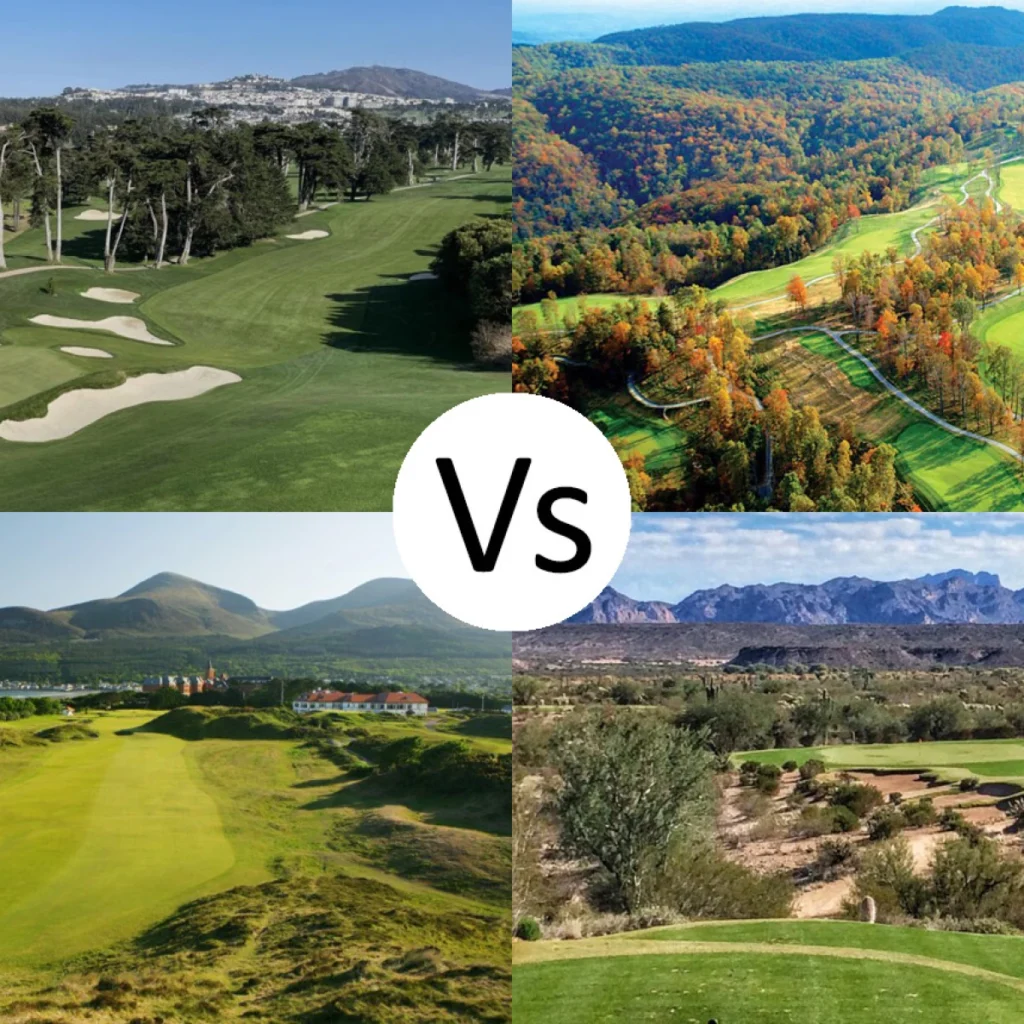
Golf is a sport defined by its environment, and perhaps no two settings offer a more contrasting experience than the traditional links course and the lush parkland course. While the objective remains the same—to get the ball into the hole in the fewest strokes—the strategy, aesthetics, and physical demands of these two environments require entirely different skill sets. Understanding the architectural philosophy behind each style is essential for any player looking to master the game’s diverse challenges across the globe.
The strategic depth required to navigate these varying terrains mirrors the analytical approach used by enthusiasts who study team performance and environmental factors before engaging with https://jugabet.cl/wd/mundial-apuestas for major tournaments. Just as a golfer must weigh the wind speed on a coastal cliff against the soft dampness of an inland fairway, a successful analyst must consider every variable of the “playing field” to predict an outcome. Whether you are battling the gorse of Scotland or the towering oaks of Georgia, the environment dictates the terms of engagement.
The Origins of the Links Terrain
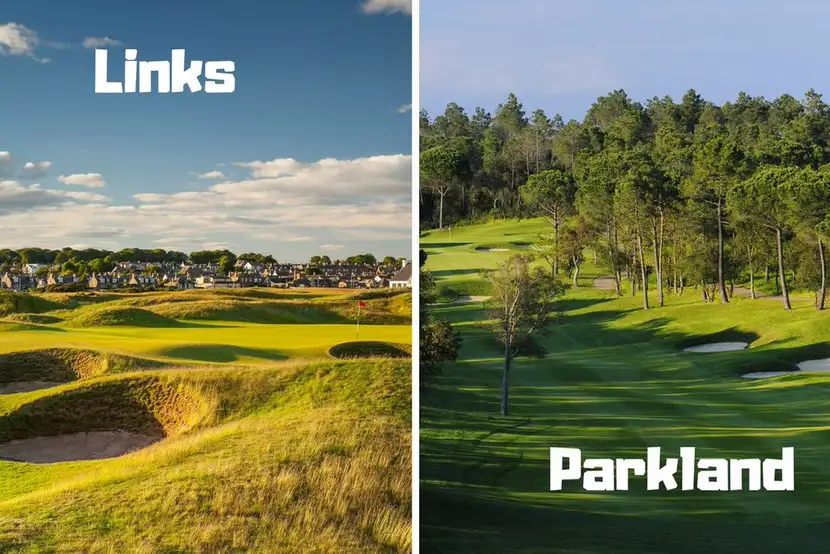
The term “links” refers specifically to a type of land found along the coast, usually characterized by sandy soil that connects the sea with arable farmland. Historically, this land was unsuitable for crops, meaning it was left to its natural state: undulating dunes, hardy grasses, and a total lack of trees. Because the soil is sandy, it drains incredibly well, resulting in a surface that is firm and fast. This natural architecture creates a “ground game” where the ball spends a significant amount of time rolling rather than flying.
The Aesthetic of the Parkland Course
In contrast, parkland courses are typically located inland and are man-made to resemble a manicured park. These courses are defined by lush, green fairways, a profusion of mature trees, and carefully sculpted water hazards like ponds or streams. Unlike the rugged, brownish hue of a traditional links, a parkland course is a vibrant emerald. The soil is usually clay-based or topsoil-rich, which holds more moisture, leading to a “target golf” style where the ball stops quickly upon landing.
Battling the Elements: Wind vs. Shelter
Weather plays a pivotal role in how these courses are experienced. On a links course, wind is the primary hazard; without trees to provide shelter, golfers are constantly exposed to coastal gales that can change the effective length of a hole by several clubs. Conversely, parkland courses are often sheltered by their namesake trees, which block the wind but create a different challenge. A mistimed shot on a parkland course often results in hitting a branch, whereas a mistimed shot on a links course is simply carried out of bounds by the wind.
Bunker Philosophy and Design
Bunkers on a links course are often “pot bunkers”—small, deep, and steep-sided pits designed to prevent the sand from blowing away in the wind. Getting out of one usually requires a vertical blast rather than a long shot. Parkland bunkers, however, are often larger and more decorative, featuring “flashed” sand that is visible from the fairway. These are designed to frame the green and penalize the golfer visually, though they are often easier to escape than the treacherous pots of the seaside.
The Importance of the Ground Game
Playing a links course requires the “bump and run” technique, where a golfer intentionally hits the ball low to keep it under the wind and lets it bounce along the hard turf toward the green. On a parkland course, the softer turf makes this nearly impossible, as the ball would simply thud into the grass and stop. Parkland players must master the “aerial game,” hitting high, spinning shots that land softly on the green, a style often seen at famous inland venues like Augusta National.
Flora and Natural Hazards
The vegetation on a links course consists of tall fescue, heather, and gorse—thick, prickly bushes that are notorious for “eating” golf balls. There is a raw, wild feeling to the landscape. Parkland courses feature deliberate landscaping, including flower beds, bunkers filled with pristine white sand, and strategically placed groves of pine or maple. While a links hazard is often a hidden dip in the land, a parkland hazard is usually clearly visible, such as a large lake or a prominent forest line.
Maintenance and Seasonality
Because links courses rely on natural drainage and hardy grasses, they often play better in the winter and can survive droughts by turning brown without losing their playability. Parkland courses require intensive irrigation and maintenance to keep their “manicured” look. During heavy rain, a parkland course may become “soggy,” making the ball pick up mud, whereas a links course remains firm and playable due to its sandy foundation, allowing for year-round golf in even the harshest climates.
Conclusion
Choosing between links and parkland golf is a matter of personal preference and tactical interest. The links course offers a test of creativity and resilience against the raw forces of nature, demanding a mastery of the ground and the wind. The parkland course provides a serene, picturesque challenge that rewards precision and high-flying accuracy. Together, these two styles represent the full spectrum of golf, ensuring that no two rounds are ever truly the same.