What is Golf?
When learning about golf, the first thing to understand is what is golf sport and how it is played. Golf is an outdoor sports golf activity where players aim to hit a ball into a series of holes using the fewest possible strokes. Simply put, it is a golf played with club and ball across a structured course.
If someone asks, what is golf game, the answer lies in precision, strategy, and skill. This golf sport introduction explains that players use different golf clubs types driver iron putter to hit various golf ball types depending on distance and terrain. Understanding the golf basics for beginners is essential to grasp how the game works.
Basic golf game information includes knowing the layout of the course, selecting the right club, and applying proper golf swing basics. The sport combines physical control with mental focus, making it both relaxing and competitive.
Why Golf is Popular Worldwide
One of the key reasons people search about golf is to understand why the sport has global appeal. The history of golf dates back centuries, with the origin of golf widely traced to Scotland. The history of golf in Scotland played a major role in shaping the modern game, and the evolution of golf sport helped it expand internationally.
Today, professional golf sport is followed by millions of fans worldwide. Major events like the major golf tournaments attract global attention and showcase elite professional golf players. These international golf tournaments highlight the competitive nature of the sport and create opportunities for a career in golf sport.
Another reason for its growth is the many health benefits of golf. Walking across long courses improves stamina, while swinging clubs enhances coordination. Additionally, the mental benefits of golf—such as improved concentration and stress reduction—make it appealing to people of all ages.
In countries like India, golf popularity in India has increased significantly, with more clubs and training academies emerging. The steady growth shows a promising future of golf sport across new markets.
Overview of the Game Structure
Understanding the structure is essential when learning about golf. A standard golf course overview includes 9 or 18 golf course holes, each with a starting tee area, fairway and green, and various golf hazards bunker water obstacles.
The objective revolves around the golf scoring system, where players aim to complete each hole in as few strokes as possible. Terms like par in golf describe the expected number of strokes for a hole. Knowing essential golf terminology helps beginners follow the game easily.
The basic rules of golf define how the game is played. These include golf sport rules, proper ball placement, and understanding golf penalty rules when mistakes occur. Formats such as stroke play vs match play determine how competitions are structured.
Equipment also plays a vital role. Familiarity with golf equipment names, various golf clubs types, and detailed golf ball details helps players choose the right gear. A complete set often includes helpful golf bag accessories to manage equipment efficiently.
For those wondering how to start playing golf, it begins with learning golf swing technique, practicing putting basics, mastering driving in golf, and improving short game skills. Applying practical golf training tips, avoiding common golf mistakes, and following beginner golf tips can significantly improve performance.
History of Golf
Origin of Golf
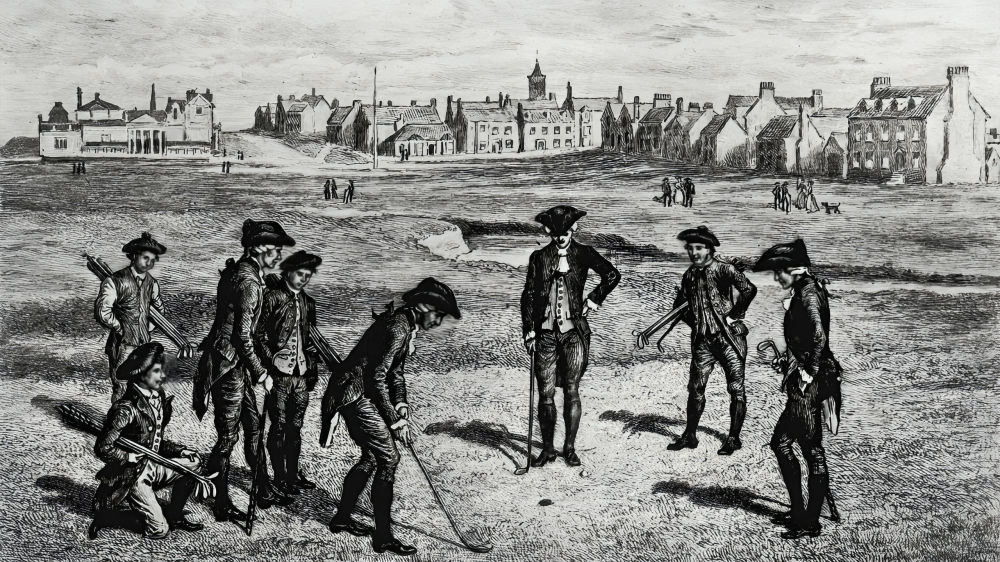
Understanding the history of golf helps explain how the modern game developed into a global sport. The widely accepted origin of golf dates back to 15th-century Scotland. Historical records show that early forms of the game were played on coastal lands, where players hit a ball toward a target using curved sticks.
The history of golf in Scotland is deeply connected to the country’s culture. In fact, the game became so popular that it was once banned by the Scottish Parliament in 1457 because it distracted soldiers from archery practice. Over time, however, the ban was lifted, and golf grew steadily in popularity.
Scotland’s natural landscapes helped shape early course design, which later influenced the modern golf course overview seen today. The early Scottish version laid the foundation for today’s structured play and competitive format.
Evolution of Golf Sport
The evolution of golf sport transformed it from a local Scottish pastime into an internationally recognized activity. During the 18th and 19th centuries, standardized golf sport rules were introduced, creating consistency in how the game was played.
The development of the basic rules of golf and the formal golf scoring system allowed organized competitions to emerge. This period also defined important formats such as stroke play vs match play, which are still used in major competitions today.
As equipment advanced, changes in golf clubs types and improved golf ball types significantly enhanced performance. Innovations in golf equipment names and detailed improvements in golf ball details helped players achieve greater distance and control. The introduction of structured golf swing technique training further professionalized the sport.
Growth of Professional Golf
By the late 19th and early 20th centuries, golf expanded beyond Scotland into Europe, the United States, and other regions. The rise of professional golf sport led to the establishment of organized tours and championships.
Today, elite professional golf players compete in prestigious major golf tournaments that attract global audiences. These high-profile international golf tournaments have played a significant role in increasing global awareness and participation.
The growing visibility of these events has also created opportunities for individuals seeking a career in golf sport, whether as players, coaches, course designers, or sports analysts.
Golf’s Global Expansion
Over the years, golf has gained traction in emerging markets. For example, golf popularity in India has steadily increased with the development of modern courses and training facilities. As accessibility improves, more beginners are exploring golf basics for beginners and learning how to start playing golf through professional academies.
Looking ahead, the future of golf sport appears promising. Technology, youth programs, and international exposure continue to drive participation worldwide.
Basic Rules of Golf
Understanding the basic rules of golf is essential for anyone learning about golf. The game may look simple—hit the ball into the hole—but it follows a structured set of guidelines known as the golf sport rules. These rules ensure fairness, consistency, and competitive balance across all levels of play, from beginners to professional golf sport events.
Objective of the Game
The primary objective in golf is to complete each hole in the fewest strokes possible. Players move across designated golf course holes, starting from the teeing area and finishing on the fairway and green where the hole is located.
Each hole has a designated par in golf, which represents the expected number of strokes an experienced player should take to finish it. The total performance is calculated using the official golf scoring system, which tracks strokes taken on each hole.
Understanding common golf terminology such as birdie, bogey, eagle, and par helps players follow scoring more easily. This structured system is a fundamental part of general golf game information.
Golf Course Structure & Hazards
A proper golf course overview includes tee boxes, fairways, rough areas, and greens. However, challenges are added through golf hazards bunker water, which are strategically placed to test skill and accuracy.
If a ball lands in a hazard, specific golf penalty rules apply. Penalties may add extra strokes to a player’s score depending on the situation. These rules are strictly followed in both casual and competitive matches, including international golf tournaments.
Stroke Play vs Match Play
Two primary competition formats define structured play:
- Stroke play vs match play
In stroke play, the total number of strokes taken during the entire round determines the winner. This format is commonly used in major golf tournaments and professional competitions.
In match play, players compete hole by hole. The player who wins the most holes wins the match. Both formats follow the official golf sport rules, but scoring comparisons differ.
Equipment & Rule Compliance
Rules also apply to equipment usage. Players must use approved golf clubs types driver iron putter, and follow standards regarding golf ball types. Knowledge of golf equipment names and detailed golf ball details ensures compliance with competition standards.
Players carry their equipment using bags that include necessary golf bag accessories such as tees, gloves, and alignment tools.
Common Mistakes & Beginner Guidance
For newcomers learning golf basics for beginners, understanding rules helps avoid penalties. Many common golf mistakes involve improper ball placement, incorrect scoring, or misunderstanding hazard procedures.
To improve performance, beginners should focus on:
- Correct golf swing basics
- Practicing proper golf swing technique
- Improving putting basics
- Developing strong short game skills
- Mastering driving in golf
Applying structured golf training tips and practical beginner golf tips makes it easier to learn how to start playing golf while following the official rules correctly.
Golf Equipment Explained
Understanding equipment is essential when learning about golf because the right gear directly affects performance, accuracy, and consistency. From selecting the proper club to knowing the right ball, equipment plays a major role in both beginner learning and professional golf sport competition.

Golf Equipment Names and Their Purpose
There are several important golf equipment names every player should know. A complete setup typically includes clubs, balls, a golf bag, and supporting accessories.
The most important tools are the golf clubs types, which are designed for specific distances and situations on the course. The main categories include:
- golf clubs types driver iron putter
- Driver – Used primarily for long-distance shots from the tee.
- Irons – Versatile clubs used for mid-range shots and approach play.
- Putter – Designed for short strokes on the green to roll the ball into the hole.
Each club supports different aspects of driving in golf, approach shots, and putting basics. Choosing the correct club depends on distance, terrain, and course conditions.
Golf Ball Details and Types
Another essential component is understanding golf ball details and selecting appropriate golf ball types. Golf balls vary in construction, compression, and spin control.
Some balls are designed for distance, making them suitable for beginners learning golf swing basics, while others offer higher spin control for experienced or professional golf players.
Proper knowledge of ball construction improves performance across different areas, especially when navigating golf hazards bunker water or playing delicate shots around the fairway and green.
Golf Bag Accessories
Players carry their equipment in a golf bag that contains essential golf bag accessories such as:
- Tees
- Gloves
- Ball markers
- Rangefinders
- Towels
These accessories support smooth gameplay and ensure compliance with golf sport rules during both casual and competitive rounds.
Equipment and Performance Improvement
The right equipment enhances golf swing technique, improves consistency in short game skills, and helps avoid common golf mistakes. Beginners exploring golf basics for beginners should focus on selecting forgiving clubs that assist with control and distance.
Professional-level equipment is often used in major golf tournaments and international golf tournaments, where precision is critical. Understanding how equipment influences performance is an important part of overall golf game information.
For those wondering how to start playing golf, investing in properly fitted clubs and learning basic setup fundamentals are key first steps. Applying structured golf training tips while using suitable equipment accelerates improvement and builds confidence.
Types of Golf Courses
When learning about golf, understanding different course types is essential. A proper golf course overview helps players adapt their strategy, club selection, and overall golf swing technique based on terrain and design.
Golf courses vary in landscape, difficulty, and environmental conditions, but all follow the same foundational layout of golf course holes, tee boxes, fairway and green, and strategically placed golf hazards bunker water.

Links Courses
Links courses are considered the oldest style and closely connect to the history of golf in Scotland and the original origin of golf. These courses are typically built on coastal land with sandy soil, natural dunes, and minimal trees.
Wind plays a major factor on links courses, requiring strong driving in golf skills and creative short game skills. The natural terrain often replaces artificial obstacles, making shot accuracy more important than power.
Parkland Courses
Parkland courses are the most common worldwide. They feature lush grass, trees, and well-defined fairway and green areas. These courses provide a balanced challenge and are ideal for those learning golf basics for beginners.
Because of their structured layout, they help players understand par in golf, improve consistency in the golf scoring system, and apply proper golf swing basics.
Desert and Resort Courses
Desert courses are built in arid regions and often feature sand landscapes surrounding green fairways. Resort courses, on the other hand, focus on aesthetics while still following official golf sport rules.
Both designs incorporate challenging golf hazards bunker water, requiring players to understand golf penalty rules and strategic course management.
Course Structure and Strategy
Regardless of type, every course includes multiple golf course holes, each with a designated par. Players must adapt their golf clubs types driver iron putter selection depending on distance and obstacles.
Understanding course design helps players avoid common golf mistakes, especially when choosing between aggressive and conservative shots. Applying structured golf training tips improves performance across different course styles.
Professional events, including major golf tournaments and other international golf tournaments, are often hosted on world-class courses that test every aspect of a player’s ability. These venues challenge even elite professional golf players, reinforcing the competitive nature of professional golf sport.
Growing Global Course Development
As the game expands globally, new courses continue to emerge. The increase in golf popularity in India has led to modern course development, providing more opportunities for those exploring how to start playing golf or considering a career in golf sport.
With innovative designs and sustainable construction methods, the future of golf sport will likely see more diverse and technologically advanced course layouts worldwide.
Major Golf Tournaments
When exploring about golf, one of the most exciting aspects of the sport is its competitive stage. The global appeal of professional golf sport is largely driven by prestigious championships that attract elite athletes and millions of viewers worldwide.
These competitions represent the highest level of skill, discipline, and strategy, showcasing the very best professional golf players competing under official golf sport rules.

The Importance of Major Championships
The four major golf tournaments are considered the pinnacle of achievement in the sport. Winning one of these titles defines a player’s legacy and strengthens opportunities for a long-term career in golf sport.
These events are also recognized as leading international golf tournaments, bringing together competitors from different countries. The structure typically follows stroke play formats, reinforcing the official golf scoring system and highlighting the difference in stroke play vs match play formats.
Each tournament is played on championship-level courses designed with challenging golf hazards bunker water, strategic fairway and green placements, and demanding golf course holes.
Competitive Format and Rules
Professional events strictly follow the basic rules of golf and enforce detailed golf penalty rules. Players must demonstrate excellence in:
- Driving in golf for long-distance accuracy
- Advanced golf swing technique for precision
- Strong short game skills for approach shots
- Consistent putting basics on the green
The pressure of major events often highlights the importance of mental strength, reinforcing the recognized mental benefits of golf such as focus and patience.
Global Impact of Professional Golf
The influence of major championships extends beyond competition. They significantly contribute to global golf game information, inspire beginners learning golf basics for beginners, and encourage participation worldwide.
In emerging markets, rising golf popularity in India is partially fueled by exposure to televised tournaments and international tours. Young athletes are increasingly motivated to learn how to start playing golf and pursue opportunities in professional golf sport.
The Future of Competitive Golf
With growing sponsorships, advanced training methods, and improved equipment innovation—including refined golf clubs types and modern golf ball types—the competitive landscape continues to evolve.
The steady expansion of elite events signals a strong future of golf sport, where technology, youth programs, and global representation will further strengthen international participation.
Health & Mental Benefits of Golf
When learning about golf, many people focus on competition and equipment. However, one of the strongest reasons behind the growth of the sport is its physical and psychological advantages. Beyond being an engaging activity, golf delivers measurable health benefits of golf and long-term wellness improvements.

Physical Health Benefits
As an outdoor sports golf activity, the game naturally encourages walking long distances across multiple golf course holes. A standard 18-hole round can involve several kilometers of walking, which improves cardiovascular endurance and overall stamina.
Swinging different golf clubs types driver iron putter strengthens core muscles, improves flexibility, and enhances coordination. Practicing golf swing basics and refining golf swing technique repeatedly helps develop balance and controlled body movement.
Other physical advantages include:
- Improved joint mobility
- Better posture and stability
- Increased calorie burn
- Enhanced hand-eye coordination
Players working on driving in golf and developing strong short game skills engage multiple muscle groups, contributing to steady physical improvement.
Mental Benefits of Golf
In addition to physical fitness, the mental benefits of golf are significant. The sport requires patience, focus, and emotional control. Every shot demands concentration, whether navigating golf hazards bunker water or executing accurate putting basics on the fairway and green.
Because golf follows structured golf sport rules and a defined golf scoring system, players must think strategically. Decision-making—such as club selection, understanding par in golf, and managing risk—strengthens analytical skills.
Spending time outdoors in calm environments also reduces stress and promotes mental clarity. This is one reason why many professionals and business leaders are drawn to the sport.
Social and Lifestyle Advantages
Golf also supports networking and relationship building. Many individuals pursuing a career in golf sport or other industries use the game as a platform for professional connections.
The steady rise in golf popularity in India reflects growing awareness of both fitness and lifestyle benefits. As more people explore golf basics for beginners and learn how to start playing golf, they discover that the sport promotes long-term health rather than high-impact strain.
Long-Term Wellness and the Future
Unlike many high-intensity sports, golf can be played across all age groups. With proper golf training tips and avoiding common golf mistakes, players can enjoy the sport for decades.
As awareness of wellness increases worldwide, the future of golf sport looks promising—not only as a competitive activity but also as a sustainable fitness and mental well-being practice.
How to Start Playing Golf
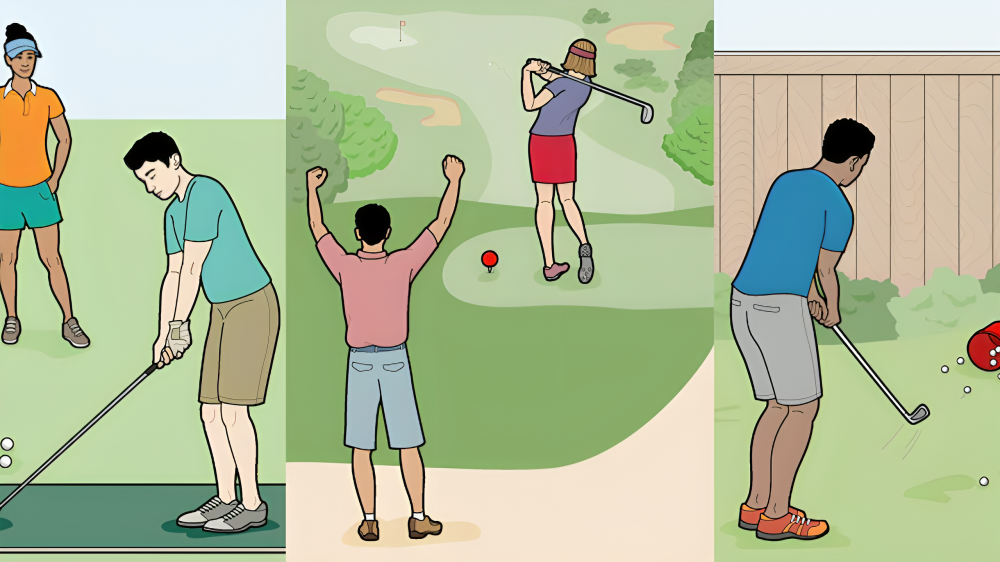
If you’re researching about golf and wondering how to start playing golf, the good news is that the sport is beginner-friendly when approached step by step. With proper guidance, the right equipment, and consistent practice, anyone can learn the fundamentals.
Learn the Golf Basics for Beginners
The first step is understanding the golf basics for beginners. This includes learning:
- What is golf sport and how it is structured
- Basic understanding of the golf scoring system
- Essential golf terminology like par, birdie, and bogey
- Overview of basic rules of golf and official golf sport rules
Beginners should also understand simple course structure, including golf course holes, fairway and green, and common golf hazards bunker water.
Choose the Right Equipment
Starting with the proper equipment makes learning easier. Familiarize yourself with important golf equipment names and basic golf clubs types.
A beginner-friendly set usually includes:
- Driver (for driving in golf)
- A few irons
- Putter (for putting basics)
Understanding golf ball types and simple golf ball details can also help you select balls designed for forgiveness and distance control.
Don’t forget essential golf bag accessories like tees and gloves, which improve comfort and consistency.
Focus on Swing and Technique
Developing strong golf swing basics is critical at the beginning. A proper stance, grip, and posture create the foundation for long-term improvement.
As you progress, refining your golf swing technique helps increase accuracy and distance. Practicing:
- Controlled short game skills
- Consistent putting basics
- Balanced driving in golf
will significantly improve performance.
Applying structured golf training tips from a coach or academy accelerates learning and reduces frustration.
Avoid Common Golf Mistakes
Many beginners struggle due to avoidable errors. Some common common golf mistakes include:
- Overswinging
- Ignoring alignment
- Using the wrong club
- Misunderstanding golf penalty rules
Learning from experienced players or instructors ensures you follow the correct golf sport rules from the beginning.
Path Toward Competitive Play
As skills improve, beginners may develop interest in competitive formats like stroke play vs match play. Watching major golf tournaments and other international golf tournaments can also inspire growth.
With dedication, players may even consider opportunities within professional golf sport or explore a long-term career in golf sport.
The Bigger Picture
The rising golf popularity in India has created more academies and modern facilities, making it easier for new players to enter the game. With continued development and innovation, the future of golf sport remains strong and accessible for beginners worldwide.
Modern Golf & Technology
When exploring about golf, it is important to understand how modern technology has transformed the game. While the history of golf reflects centuries-old traditions, today’s sport blends tradition with innovation. The ongoing evolution of golf sport is strongly influenced by technological advancements that improve training, equipment, and competition.
Equipment Innovation
Modern improvements in golf equipment names have significantly enhanced performance. Manufacturers continuously refine golf clubs types driver iron putter to increase forgiveness, distance, and accuracy.
Advanced materials now improve durability and control, especially in competitive professional golf sport. Similarly, modern golf ball types are engineered using multi-layer construction, enhancing spin control and distance. Understanding updated golf ball details helps players choose balls suited for their playing style.
These innovations benefit both beginners learning golf basics for beginners and elite professional golf players competing in major golf tournaments.
Swing Analysis & Training Technology
Technology has also revolutionized golf swing technique development. Launch monitors and swing analyzers provide detailed feedback on ball speed, spin rate, and launch angle.
These tools help players improve:
- Golf swing basics
- Accuracy in driving in golf
- Precision in short game skills
- Consistency in putting basics
By applying data-driven golf training tips, players can identify weaknesses and avoid common golf mistakes more effectively than ever before.
Golf Simulators & Digital Learning
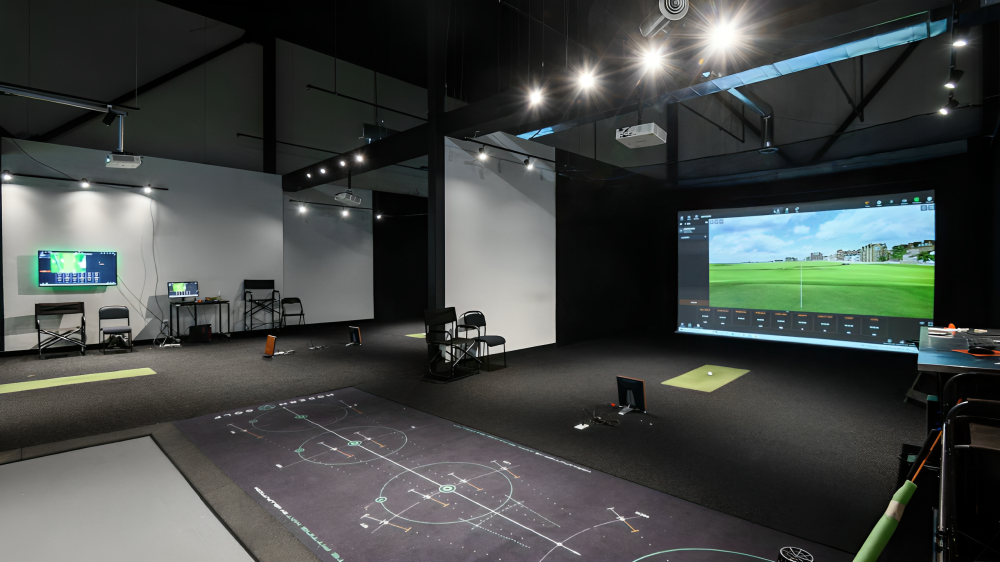
Indoor simulators now allow players to practice year-round. These systems replicate real golf course holes, simulate golf hazards bunker water, and follow official golf sport rules.
Simulators are especially popular in regions where weather limits outdoor play. They also contribute to rising golf popularity in India, where urban players increasingly use indoor facilities to learn how to start playing golf.
Digital coaching platforms further simplify learning by explaining basic rules of golf, the golf scoring system, and formats like stroke play vs match play.
Technology in Professional Competition
In international golf tournaments, advanced broadcasting, player analytics, and precision course management tools enhance both player performance and fan engagement.
Course design technology has also improved overall golf course overview planning, ensuring fair yet challenging layouts with strategically placed fairway and green areas.
The Future of Golf Sport
The integration of artificial intelligence, performance tracking apps, and smart wearables suggests a strong future of golf sport. As innovation continues, the sport becomes more accessible, engaging, and globally connected.
While tradition remains central to understanding about golf, modern technology ensures that the game continues to evolve without losing its core identity.
Conclusion – Why Golf Is More Than Just a Sport
After exploring everything about golf, it becomes clear that this game is far more than simply hitting a ball toward a hole. From its deep-rooted history of golf and Scottish origin of golf to the modern professional golf sport stage, the game has evolved into a global phenomenon.
Golf combines strategy, discipline, and precision under structured golf sport rules and the official golf scoring system. Whether playing casually or competing in major golf tournaments and international golf tournaments, the foundation remains the same—skill, patience, and consistency.
For beginners learning golf basics for beginners, the sport offers a structured path for growth. By understanding golf equipment names, choosing the right golf clubs types, studying golf ball details, and practicing golf swing basics, new players can steadily improve. Applying practical golf training tips and avoiding common golf mistakes builds long-term confidence.F
Beyond competition, the sport offers lasting health benefits of golf and powerful mental benefits of golf. The peaceful environment of the fairway and green, combined with strategic decision-making around golf hazards bunker water, creates a unique balance of relaxation and challenge.
The increasing golf popularity in India reflects the sport’s expanding reach, while innovation and technology support the ongoing evolution of golf sport. With greater accessibility, professional opportunities, and youth participation, the future of golf sport looks strong and sustainable.
In essence, learning about golf means understanding a sport that blends history, skill, fitness, and global culture into one complete experience. Whether you aim to play recreationally, follow elite tournaments, or pursue a career in golf sport, golf remains a timeless and rewarding game.